
The Top 10 Essentials for Gluten Free Baking
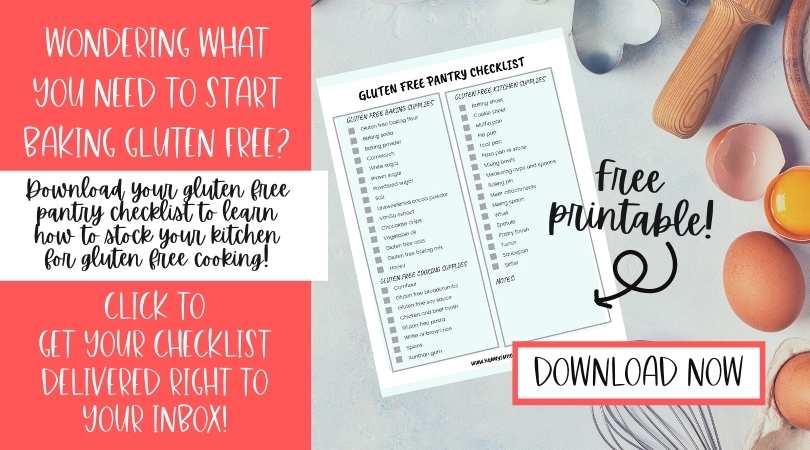
One of the hardest things about going gluten-free is giving up baked goods. If you’ve ever tried recreating your favorite baked good recipe into a gluten free dessert, you’ve no doubt found out that gluten free baking is tricky. Not only do you have to account for the texture and density of the gluten free flour, but you also have to adjust your baking time to ensure that your dessert is baked all the way through. There are so many tiny adjustments to make when gluten free baking. Luckily, there are a few essential items that you can use to ensure your gluten free baked goods taste just like the real thing. Here are my top 10 essentials for gluten free baking.
This posts contains affiliate links, which means I may earn a commission if you purchase something from my link (at no additional cost to you). Thanks for your support!

Gluten Free Baking Flour
While you can use a basic, all-purpose gluten free flour when making gluten free baked goods, subbing traditional flour with gluten free baking flour will result in a lighter, fluffier dessert. Baking flour is especially important when you’re making cakes or brownies, because the flour is lighter and airier than your typical all-purpose gluten free flour. There are a few different varieties of gluten free baking flour available for purchase, but my favorite is Bob’s Red Mill Gluten Free 1-to-1 Baking Flour.
Xanthan Gum
While some all-purpose gluten free flours and baking flours already have this essential ingredient, some are missing it. If the flour you’re using doesn’t list xanthan gum in its ingredient list, you’ll need to add it into the recipe yourself. Xanthan gum allows your dough to become more elastic and stickier, mimicking the qualities gluten would add to your batter. It also serves as a binding agent for the gluten free flour, helping absorb the moisture in your recipe and giving it structure as it bakes.
Gluten Free Pantry Items
In addition to having a good gluten free baking flour on hand, its also a great idea to have a handful of pantry ingredients designated especially for gluten free cooking. Vanilla extract, baking soda, and baking powder are three essential baking ingredients that sometimes contain gluten, so making sure you’re purchasing gluten free varieties of these pantry staples is imperative. It’s also a good idea to have a selection of different types of gluten free flours on hand in case your recipe calls for one or a blend of these flours. Some of these different flours could include coconut flour, almond flour, oat flour, rice flour, corn flour, and potato flour.
Bakeware Set
When creating a collection of essentials for gluten free baking, you’ll need to have a set of dedicated gluten free bakeware. Keep this set separate from your non-gluten-free bakeware so you don’t confuse the sets or label your gluten free bakeware with a GF so you’re sure to grab the right set when creating your gluten free baked goods. This will ensure that you don’t cross-contaminate your gluten free recipes with flour or other gluten-containing ingredients you used while making a traditional dessert. I would recommend purchasing an entire set of bakeware so you’re sure to have all the essentials for gluten free baking, including cake pans, a muffin tin, a bread pan, and baking sheets.
Mixing Bowls
You should also have a set of mixing bowls you use especially for gluten free baking. Label them with a GF or store them separately from the bowls you use for traditional cooking. Most recipes use at least two bowls (one for dry ingredients and one for wet ingredients), so I would suggest having at least that many on hand. A set of three bowls is ideal for your collection of essentials for gluten free baking.
Measuring Cups and Spoons
Measuring cup and spoons are also essentials for gluten free baking. If you forgo purchasing separate bakeware and mixing bowls, I would highly recommend you don’t skip out on purchasing a separate set of measuring cups and spoons. These utensils will be the ones that interact directly with the different flours used for baking, making it the most likely to cause cross-contamination between your traditional and gluten-free ingredients. In addition to using these utensils for flour, consider all the other gluten-containing contaminants your measuring cups and spoons could come in contact with (baking powder, vanilla, soy sauce, bread crumbs, etc.). That’s why purchasing a basic set of measuring cups and spoons for gluten free baking is a good idea.
Mixer Attachments
While I don’t think its necessary to have a separate mixer for gluten free baking, I do think it’s a good idea to purchase an extra set of mixer attachments to use when you’re baking gluten free desserts. Having a separate paddle attachment and whisk attachment will allow you to keep your gluten free desserts from becoming cross-contaminated with gluten-containing ingredients as you’re baking. Just be sure to scrub your stand mixer after you’re finished baking (whether it’s a gluten free dish or not) to ensure that your equipment stays clean and clear of any cross-contaminants. In addition to purchasing attachments for your stand mixer, I would also suggest purchasing an extra set of beaters for your hand mixer.
Utensils
Keeping a separate set of baking utensils is also a good idea to prevent cross-contamination. In addition to having a gluten free whisk, it’s also good to have a couple spatulas, a pastry brush, and a flipper in your stockpile of gluten free baking essentials. Purchase a complete set of all the same color so you’ll instantly know which utensils you use for gluten free baking.
Rolling Pin
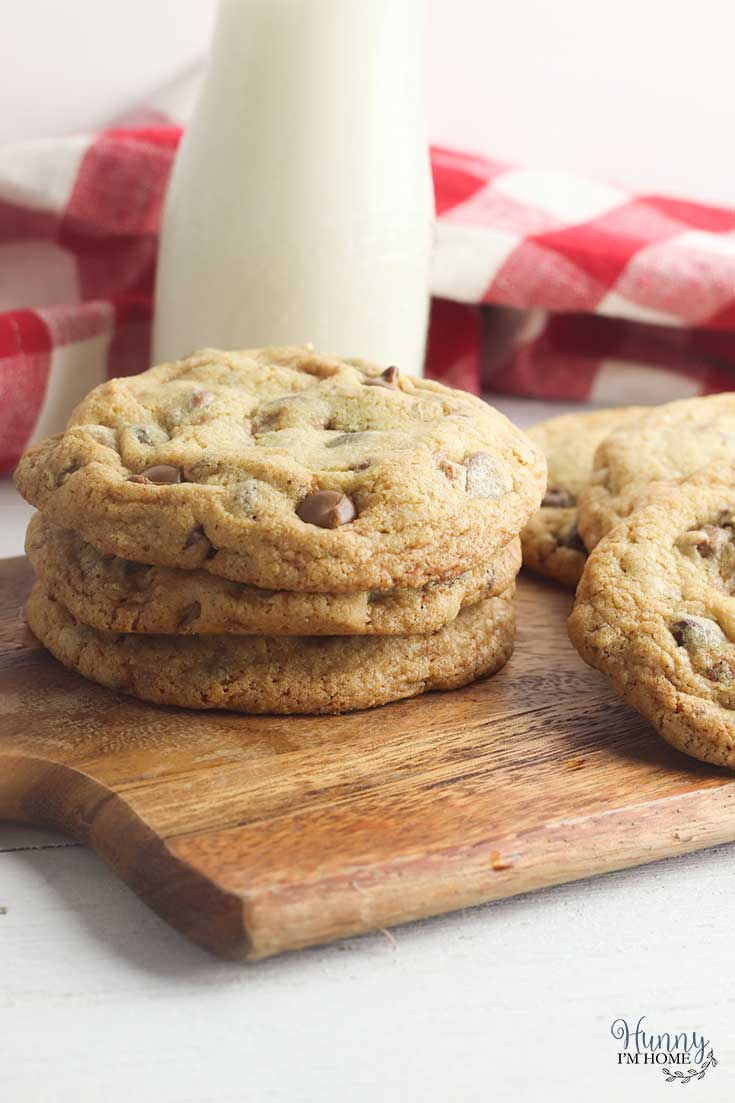
Since you typically coat your rolling pin flour to prevent sticking, it’s also a good idea to have a separate rolling pin especially for gluten free baking. One large rolling pin will probably be sufficient to have on hand for all of your gluten free cookies and pizza dough you’ll be making when your gluten free kitchen is all set up and ready to go!
A Good Blender
Sometimes, you’ll want to make your own flour. Having a really good blender (I love my Nutri Ninja Blender/Food Processor). It can pulverize anything I put in there, making it simple to turn just about anything into a flour. It’s also great for making gluten-free pie crusts out of things like almonds or gluten free cookies. If you already have an awesome blender, but use it for non-gluten free recipes, I would recommend purchasing a separate pitcher and blade set (or personal cup and blade set) to use with your blender to prevent cross-contamination.


If you like this post, you’ll probably like these:
 |  |  |
| Gluten Free Pumpkin Cheesecake Cupcakes | Simple and Delicious Gluten Free Banana Pudding | Strawberries and Cream Gluten Free Cupcakes |

Emily is a midwestern mom of two boys. She loves all things DIY — from home renovations to kids birthday party planning. Whether she’s making a new farmhouse craft for her home or helping her kids with a cool activity, you can bet she’s in the middle of some kind of DIY project (or three) right now!




Great advice for stocking a gluten free kitchen. I have been gluten free for 7 years now and these are all things I use a regular basis. A good blender is especially important!
You are right. Baking gluten free is no joke. There’s a lot to learn. But it’s worth it!
I’d never heard of using entirely separately mixing bowls, measuring cups and utensils. I’m only sensitive to gluten, so I don’t have to be as careful. I’ll have to get some xanthum gum and see if that helps my baked goods.
Thank you so much I will be repinning this for future reference, I am always looking for gf recipes.
Great list for those going gluten-free – Bob’s Red Mill is a fantastic company and love that you use a ninja too! It’s the best ❤